Genting UK CEO Raises Concerns Over Proposed Increase in Machine Games Duty
Written by Viktor Friedrich · Sep 24, 2026

Genting UK CEO Raises Concerns Over Proposed Increase in Machine Games Duty
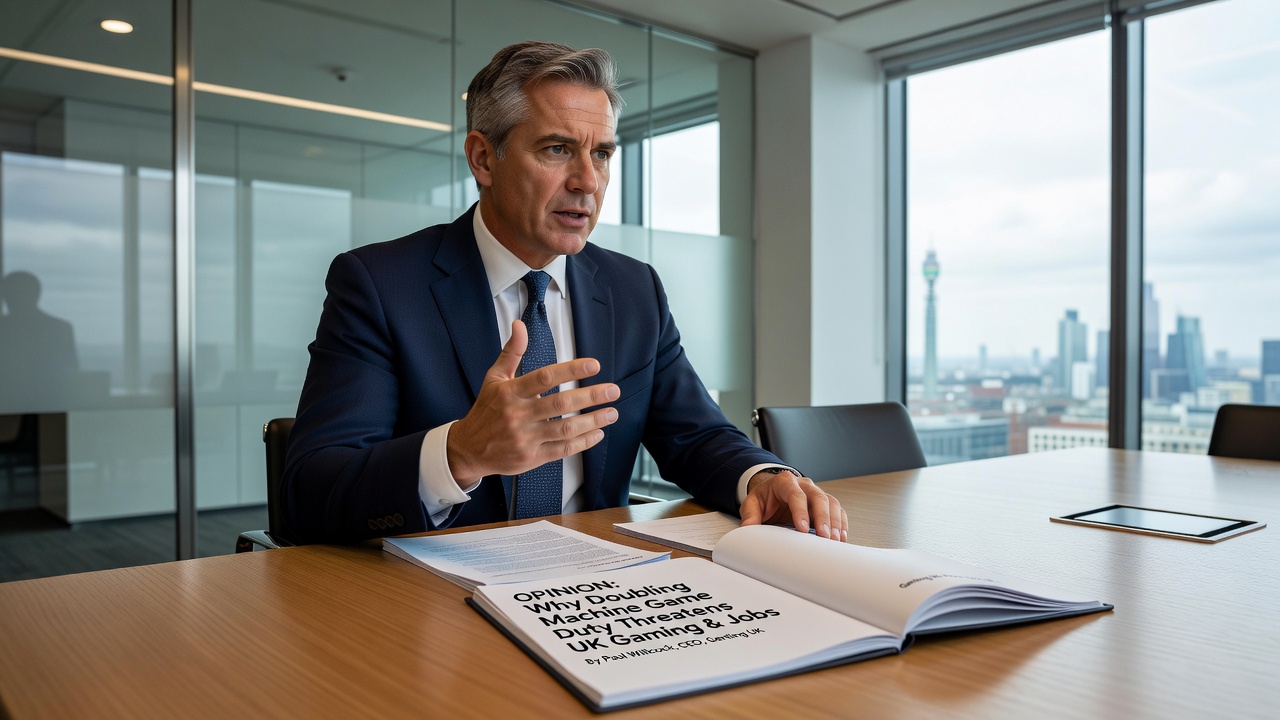
Paul Willcock, CEO of Genting UK, has outlined potential effects of a proposed rise in Machine Games Duty from 20 percent to 40 percent in an opinion piece published recently, and the arguments center on reduced investment incentives along with possible venue closures that could lower overall Treasury receipts. The company points to its existing commitments and contributions as context for why such a change might alter operational viability across its portfolio.
Details of the Tax Proposal and Company Response
Under the suggested adjustment, gaming machines would face a doubled rate that Genting UK models as rendering 13 of its 32 UK casinos unprofitable, which in turn places more than 850 venue-based positions at risk according to internal projections. Willcock notes that higher duties would discourage further capital allocation while simultaneously threatening the financial sustainability of multiple sites, and this dynamic could ultimately shrink the tax base rather than expand it because closed locations generate no revenue at all.
Planned Developments and Historical Investments
Genting UK has referenced a £50 million initiative to convert London's Trocadero into a combined casino and entertainment destination expected to support between 350 and 400 permanent roles once operational. Past spending by the firm in the UK has reached nearly £1 billion, while tax payments from 2016 through 2025 have exceeded £750 million, figures the company presents to illustrate its ongoing economic footprint. These elements form the basis for arguments that additional fiscal pressure might constrain expansion and maintenance activities at existing properties.
Employment and Revenue Considerations
Observers note that the modeling provided by Genting UK links the duty increase directly to profitability thresholds at specific venues, and the resulting job exposure spans both front-of-house and support functions across the affected casinos. Revenue forecasts incorporated in the analysis suggest that Treasury collections could decline if multiple locations cease trading, since fixed costs and reduced footfall compound under elevated tax burdens. The opinion piece emphasizes that operators retain limited flexibility to absorb such changes without adjusting service levels or closing sites altogether.
Industry Context and Forward Planning
Industry organizations such as the American Gaming Association have tracked similar tax dynamics in other markets, where rate hikes sometimes correlate with shifts in capital deployment and site rationalization. Genting UK's statements align with these patterns by highlighting how duty levels interact with investment returns, and the company positions its current pipeline, including the Trocadero project, as dependent on a stable fiscal environment. Data from European regulatory reports further indicate that machine gaming contributions form a measurable share of casino income, which means percentage increases translate into significant absolute cost rises for larger operators.
Conclusion
The points raised by Paul Willcock in the City A.M. opinion piece summarize Genting UK's position on the Machine Games Duty proposal through references to specific investment figures, job projections, and profitability modeling across its UK estate. These details provide a factual record of the company's stated concerns regarding venue viability and Treasury outcomes should the rate move from 20 percent to 40 percent. The arguments rest on the presented data about past contributions exceeding £750 million, planned spending of £50 million at the Trocadero site, and the potential impact on 13 casinos and over 850 roles. Further developments in tax policy will determine how these projections unfold in practice.