Insights into How Established Game Providers Adapt Bonus Mechanics for Emerging Live Casino Formats
Written by Yves Peters · Aug 18, 2026
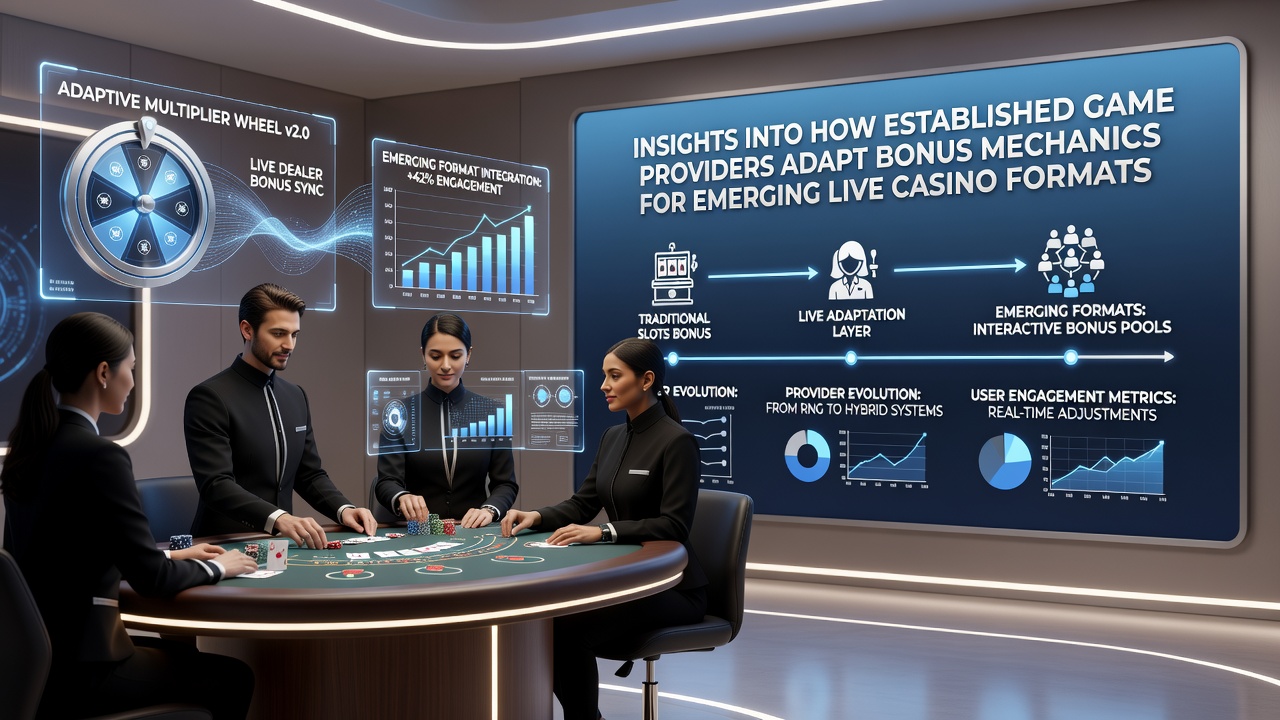
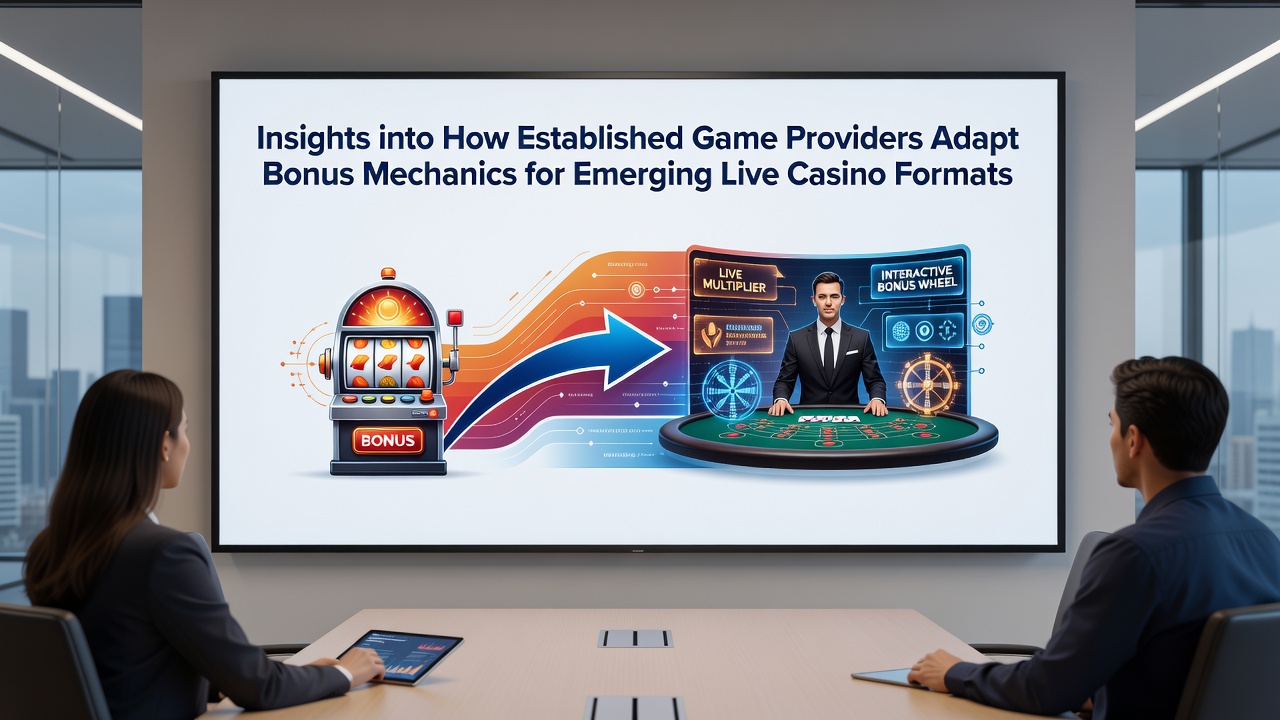
Insights into How Established Game Providers Adapt Bonus Mechanics for Emerging Live Casino Formats
Established game providers have shifted focus toward live casino formats that blend traditional table games with interactive streaming technology, and bonus mechanics have evolved accordingly to match these changes. Providers such as Evolution Gaming and Playtech integrate real-time reward systems that respond to player actions during live sessions, while maintaining compliance with varying international standards. Data from industry analyses shows that live casino segments grew substantially between 2023 and 2025, prompting companies to redesign bonuses around session length, dealer interactions, and multi-player dynamics rather than static free spins or deposit matches alone.
Emerging Live Casino Formats and Their Technical Foundations
Live casino formats now include hybrid games that combine physical tables with augmented overlays, virtual reality environments that simulate casino floors, and multi-camera streams allowing players to switch perspectives mid-round. These developments require bonus systems capable of tracking continuous data streams from dealers, cameras, and player interfaces simultaneously. Observers note that providers have begun embedding APIs that pull live metrics such as bet velocity and table occupancy to trigger personalized incentives without interrupting gameplay flow.
August 2026 marks a period when several providers plan to roll out expanded VR live blackjack variants across European and North American markets, according to announcements from major studios. These formats demand bonuses that adjust in real time based on immersion levels and social features, such as shared tip pools or collaborative side bets among remote participants.
Shifts in Bonus Structure for Live Environments
Traditional bonus models relied on wagering requirements calculated after deposit, yet live formats have driven adoption of progressive multipliers tied directly to table performance and session milestones. Game providers now deploy algorithms that award incremental credits when players reach specific hand counts or maintain consistent betting patterns across consecutive rounds. This approach replaces fixed bonus pools with dynamic allocations that scale according to live data feeds.
One notable adaptation involves loyalty tiers that accumulate points through live dealer interactions rather than slot volume alone. Providers link these points to exclusive live tournament entries or dealer-selected rewards, creating incentives that feel integrated with the streamed experience. Reports from the European Gaming and Betting Association indicate that such mechanics have increased average session durations in monitored markets by measurable margins since their introduction.
Regulatory Influences on Bonus Adaptations
Regulatory bodies across different regions shape how providers modify bonus delivery. The Malta Gaming Authority requires transparent disclosure of bonus terms within live interfaces, while Canadian provincial regulators emphasize responsible gaming limits that cap bonus-triggered wagers. Providers respond by building geo-specific modules that alter bonus visibility and redemption rules based on player location detected at login. This modular design allows a single core system to serve multiple jurisdictions without separate codebases for each market.
Research published through academic channels at institutions studying gambling technology highlights that providers increasingly use machine learning to predict bonus uptake patterns in live settings, helping them balance player retention against regulatory caps on promotional value. These models draw from anonymized datasets that track how bonuses influence decisions during high-stakes live poker or baccarat rounds.
Case Examples of Provider Adjustments
Providers have introduced bonus features such as dealer-triggered giveaways that activate when table minimums are met collectively, or streak-based rewards that reset upon leaving the live lobby. One documented implementation ties bonus funds to camera-angle choices, granting extra credits when players opt for overhead views during critical betting phases. Such mechanics keep engagement high while distributing value through gameplay rather than pre-session claims.
Another adjustment appears in the integration of live chat systems with bonus eligibility. Messages exchanged with dealers or other participants can unlock micro-rewards when certain conversational milestones occur, although these remain subject to strict moderation protocols enforced by operators. Figures from trade group reports reveal steady uptake of chat-linked bonuses in markets where social features are permitted.
Conclusion
Established providers continue refining bonus mechanics to align with live casino advancements by embedding real-time tracking, regulatory compliance layers, and interactive reward triggers. These changes reflect ongoing technical and jurisdictional demands rather than isolated innovations. As formats expand through 2026 and beyond, bonus systems will likely incorporate additional data points from emerging hardware such as haptic feedback devices and multi-user VR tables, maintaining the same principles of dynamic allocation and transparent reporting already in place.