Mapping the Shift Toward Embedded Cooling-Off Mechanisms in High-Volume Slot Bonus Rounds by Niche Studios
Written by Ines Lange · Oct 8, 2026
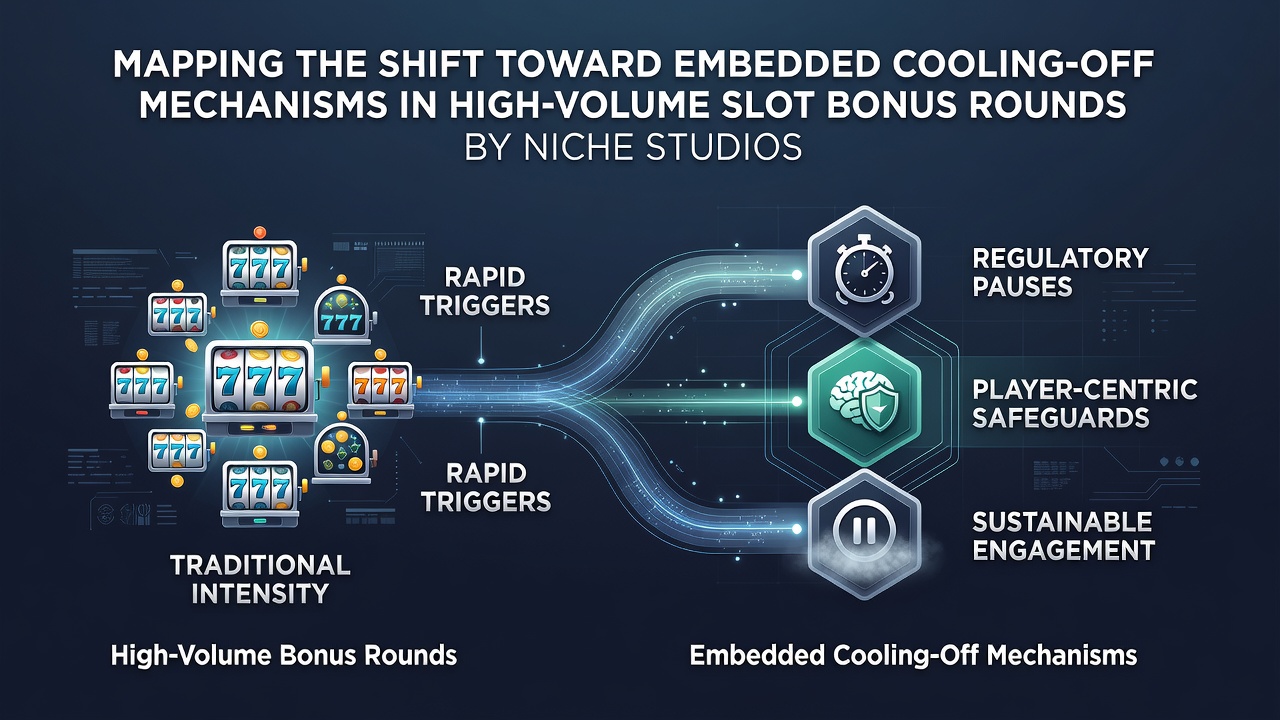
Mapping the Shift Toward Embedded Cooling-Off Mechanisms in High-Volume Slot Bonus Rounds by Niche Studios
High-volume slot bonus rounds now incorporate embedded cooling-off mechanisms at several independent development studios, and this approach integrates player prompts directly into extended feature sequences such as free spins or multiplier chains. Observers note that these tools trigger after predetermined spin counts or time intervals without interrupting the core gameplay loop, and data from industry tracking shows increased adoption rates across mid-sized releases scheduled through late 2026.
Defining Embedded Cooling-Off in Slot Features
Embedded cooling-off mechanisms operate as built-in pauses that appear within bonus rounds of high-volume slot titles, and they allow players to select short breaks or session adjustments before continuing. Researchers at several academic institutions have documented how these functions differ from external self-exclusion systems because they activate contextually during intense play periods, and studies indicate that integration at the bonus level reduces abrupt exits while maintaining engagement metrics.
Niche studios lead much of this development because smaller teams often iterate faster on user interface elements, and they embed timers or decision screens that surface after 50 or 100 consecutive spins within a single feature. Figures released by the Nevada Gaming Control Board reveal rising compliance documentation around these features in submissions from independent developers during the first half of 2026.
Technical Approaches Across Niche Development Teams
Developers implement these mechanisms through modular code layers that connect to existing reel engines, and they use conditional triggers based on spin volume or session duration within the bonus state. One case involved a studio that added a soft prompt overlay offering a 60-second pause option, and this overlay preserved bonus state data so players could resume without losing accumulated multipliers or remaining spins.
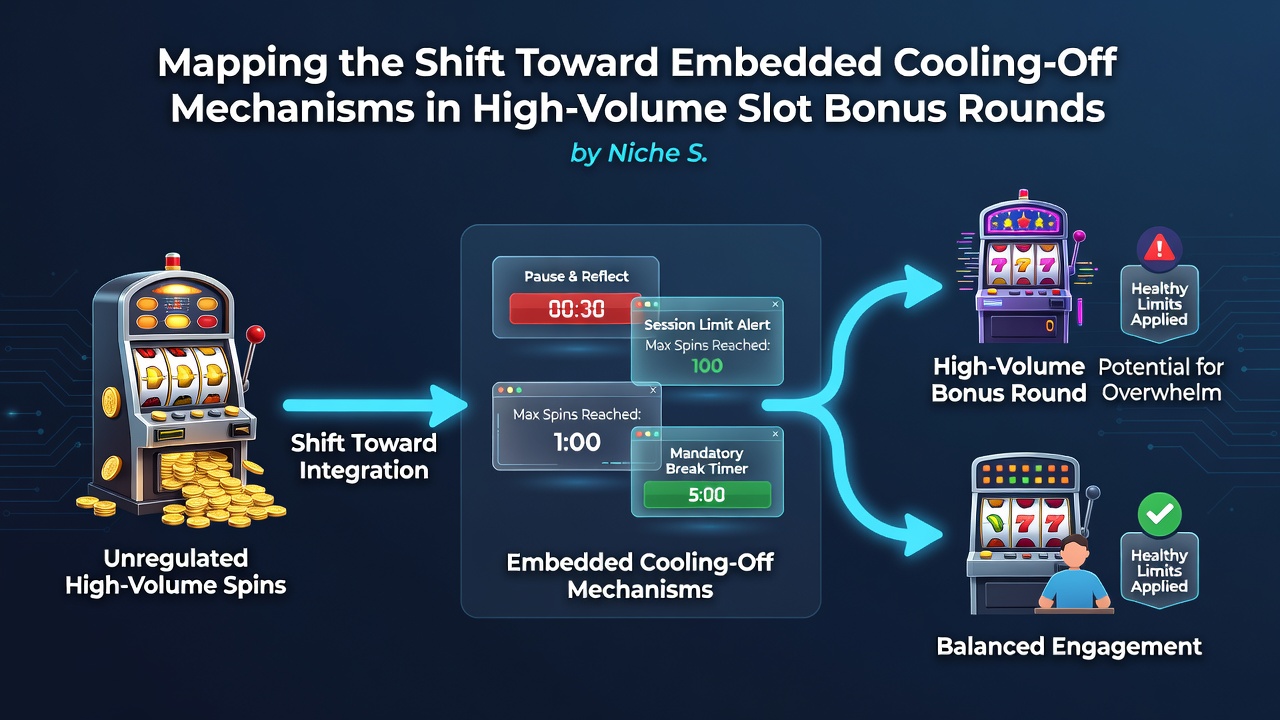
Integration often relies on real-time analytics that monitor play intensity, and programmers adjust thresholds according to regulatory guidelines that took effect in multiple jurisdictions by October 2026. Those guidelines emphasize seamless incorporation rather than separate pop-ups, and they encourage testing that measures both player retention and voluntary break uptake rates.
Regulatory and Industry Context in 2026
By October 2026 several regional authorities outside the United Kingdom had updated technical standards to address bonus round duration, and these updates prompted niche studios to prioritize embedded tools during certification processes. Reports from the Australian Communications and Media Authority outline how similar requirements influenced design decisions at independent developers targeting international markets, and the documents highlight measurable increases in break-activation logs within audited titles.
Industry associations such as the International Association of Gaming Regulators have hosted sessions on these mechanisms, and presentations there showed comparative data from Canadian provincial operators that adopted parallel standards earlier in the decade. Those sessions also covered how smaller studios achieve compliance through reusable component libraries that slot into multiple game engines without extensive re-coding.
Observed Implementation Patterns
Patterns emerging from released titles show cooling-off prompts appearing most frequently in bonus rounds exceeding 75 spins, and developers calibrate the timing to coincide with natural lulls in feature intensity. Data indicates that when prompts include clear options for five-minute or fifteen-minute pauses, voluntary usage rates climb compared with mandatory stop functions.
One documented rollout involved a progressive slot series where the bonus chain linked multiple rounds, and the embedded system inserted a checkpoint after each completed chain segment. Observers tracking these releases note that the approach maintains narrative flow while giving players repeated decision points, and subsequent updates refined the visual design of prompts based on A/B testing results shared at developer conferences.
Conclusion
Mapping the adoption of embedded cooling-off mechanisms reveals a clear trajectory among niche studios producing high-volume slot content, and the integration continues to evolve alongside updated technical standards scheduled through October 2026. Evidence from regulatory filings and industry reports demonstrates that these tools now form part of standard development pipelines at several independent teams, and the resulting game releases provide ongoing data for further refinement across global markets.